
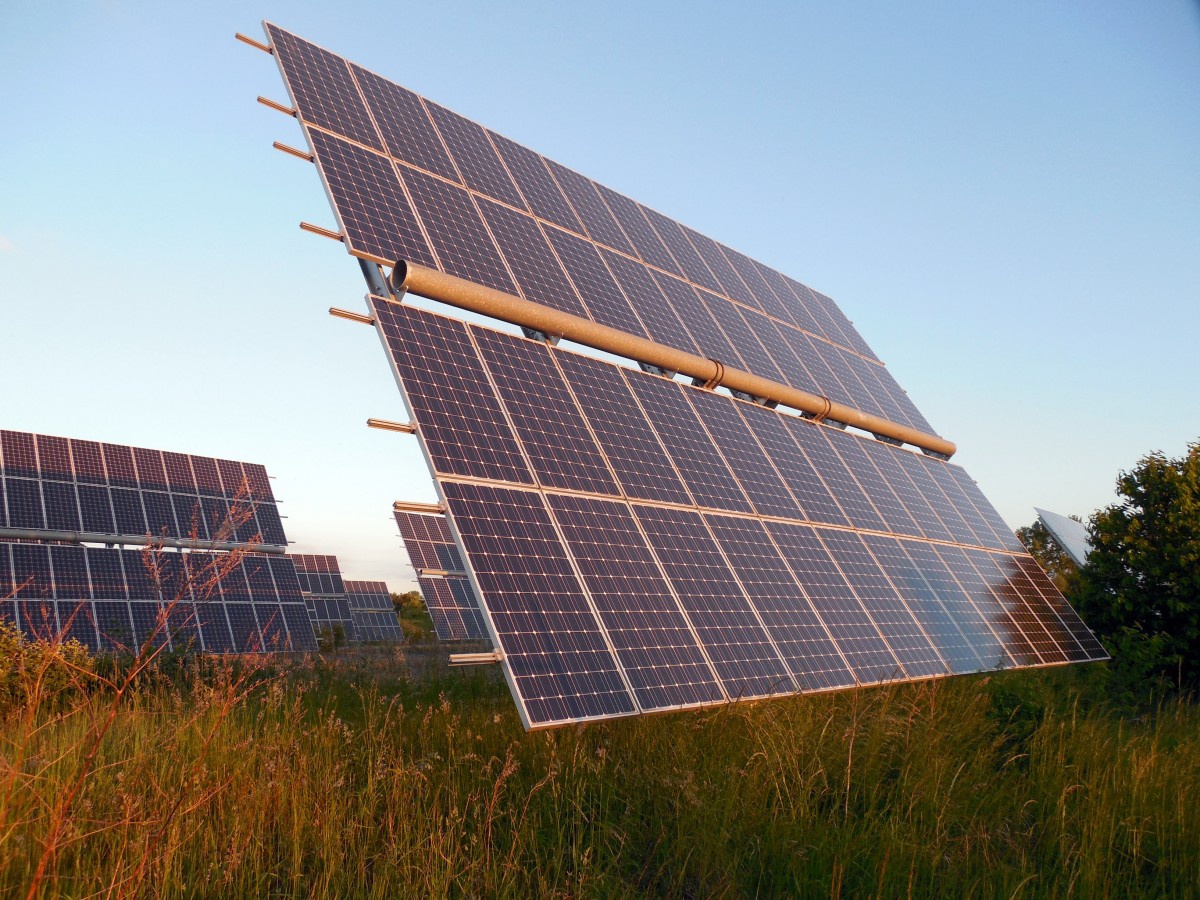
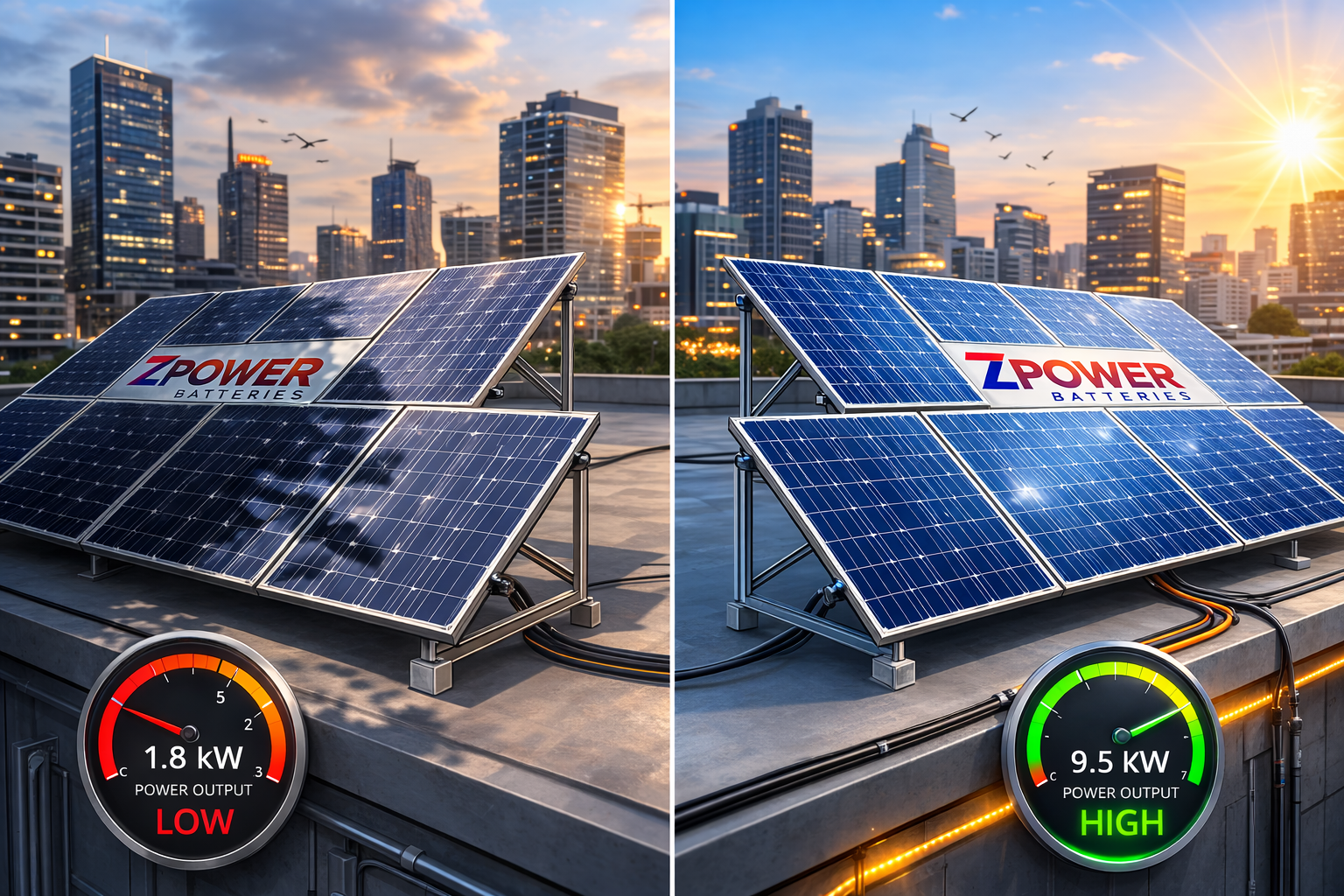
Solar panel shading occurs when trees, buildings, poles, dust, or other obstacles block sunlight from reaching solar panels. Since solar panels rely on direct sunlight to generate electricity, any obstruction can reduce energy production.
Even partial shading on one panel can impact the performance of the entire solar array because many systems connect panels in a series configuration.
How Shading Affects Solar Panel Performance
1. Reduced Power Generation
Solar panels generate electricity when sunlight hits photovoltaic cells. If a part of the panel is shaded, the energy production decreases significantly.
In some cases, a shaded cell can reduce the output of the entire panel string.
2. Hot Spots on Panels
When one part of a solar panel is shaded while other cells receive sunlight, it may create hot spots. These hot spots can damage the panel over time and reduce its lifespan.
3. Lower Overall System Efficiency
Shading affects not only individual panels but also the entire solar system. Even small shadows from nearby trees, chimneys, or cables can reduce overall energy generation.
4. Reduced Battery Charging
For solar systems that include storage solutions such as solar tubular batteries, shading reduces the energy available for charging batteries. This can lead to lower backup power availability during outages.
Companies like Z Power Impex Pvt Ltd, which manufacture solar and tubular batteries, emphasize the importance of efficient solar layouts to maximize energy storage and reliability.
Common Causes of Solar Panel Shading
Understanding the sources of shading can help prevent performance loss.
Common causes include:
Trees and vegetation
Nearby buildings
Electric poles and cables
Water tanks or rooftop structures
Dust accumulation
Seasonal sun angle changes
Proper solar planning can eliminate many of these issues.
Tips to Plan the Best Solar Panel Layout
1. Conduct a Site Shadow Analysis
Before installing solar panels, perform a solar shading analysis to identify obstacles that may block sunlight during different times of the day or year.
This helps in selecting the best location for panels.
2. Install Panels in Shade-Free Areas
Place solar panels in areas with maximum sun exposure, usually:
South-facing rooftops
Open terrace areas
Elevated mounting structures
Avoid locations near tall structures or trees.
3. Maintain Proper Panel Spacing
Solar panels should have enough spacing to prevent shadow overlap between rows, especially in large installations.
This ensures consistent sunlight exposure throughout the day.
4. Use Bypass Diodes
Most modern solar panels include bypass diodes, which help reduce the effect of shading by allowing electricity to flow around shaded cells.
This helps maintain overall system efficiency.
5. Trim Trees Regularly
If trees are near the installation site, ensure regular trimming and maintenance to prevent shadows from falling on the panels.
6. Use High-Quality Solar Batteries
Efficient energy storage helps maintain power supply even when solar production is reduced. High-quality batteries designed for solar applications ensure longer backup and reliability.
Manufacturers such as Z Power Impex Pvt Ltd offer advanced solar tubular batteries designed for long cycle life and high performance in solar systems.
Why Proper Solar Planning Matters
A well-planned solar layout can:
Increase solar energy production
Improve system lifespan
Reduce electricity bills
Provide better backup power
Enhance return on investment (ROI)
With the growing adoption of renewable energy, efficient solar installations supported by reliable battery technology are becoming essential for both homes and industries.
About Zpower Batteries
Z Power Impex Pvt Ltd is a leading manufacturer and exporter of batteries, offering a wide range of energy solutions including solar batteries, tubular batteries, automotive batteries, and industrial power systems. With over 47 years of industry experience and a presence in more than 35 countries, the company focuses on delivering high-quality and reliable power solutions.
Conclusion
Solar energy systems can deliver excellent performance when designed properly. However, shading remains one of the biggest challenges affecting solar panel output. By conducting proper site analysis, optimizing panel placement, and using reliable solar batteries, homeowners and businesses can maximize their solar investment.
If you are planning to install a solar power system, always ensure correct layout planning and quality energy storage solutions to achieve the best results.
Leave a Reply